Itinerary
The Itinerary for Indus Valley Civilization is noticeable below
Arrive in Karachi in the morning, transfer to the hotel, and check in. Ginny Mausoleum (Father of the Nation), National Museum of Pakistan, St. Patrick's Cathedral, Palats (Mohatti, Quaid-e-Azam, Freeroll Hall), Mosques (Tooba Mosque, Grand Jamie Mosque), and Empress and Zainab markets. Karachi at night.Karachi. Arrive in Karachi in the morning, transfer to the hotel, and check in. Ginny Mausoleum (Father of the Nation), National Museum of Pakistan, St. Patrick's Cathedral, Palats (Mohatti, Quaid-e-Azam, Freeroll Hall), Mosques (Tooba Mosque, Grand Jamie Mosque), and Empress and Zainab markets. Karachi at night.
We drive from Karachi to Hyderabad, stopping at Haleji Lake, a haven for migratory Siberian birds and crocodiles, and Makli/Thatta, an old town that was a river port and Sindh's capital until the Indus changed course. We'll see the Jamia Masjid, erected by Shah Jehan, who also built the Taj Mahal, the exquisitely stone-carved Dabgir Masjid, and the Makli Necropolis, which claims to be the world's largest graveyard.
Leaving Hyderabad, we travel to Sehwan, the site of one of Alexander the Great's fortifications, and the shrine of Shaikh Usman Marvandvi, also known as Lal Shabaz Qalandar, a 12th-century Persian Sufi mystic whose wild annual festival draws thousands. We then go to Manchar Lake, where fishermen descended from the original Indus Valley inhabitants still employ archaic fishing techniques.
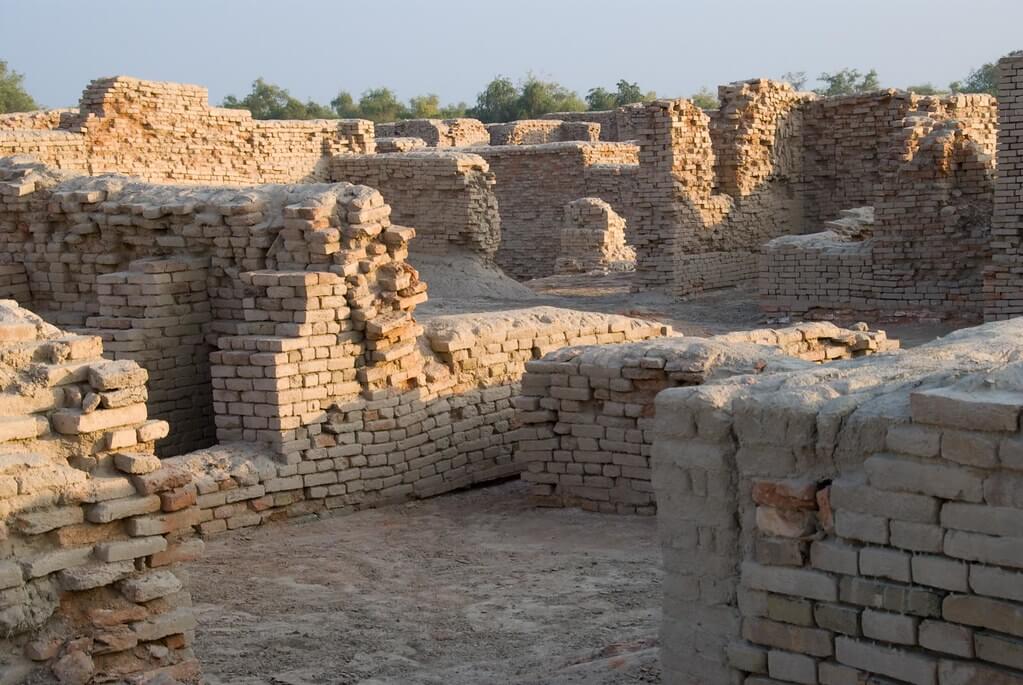
We depart from the lovely garden city of Larkana for Mohenjo-daro, the most spectacular and well-preserved ancient site on the Indian subcontinent. It is an entire city from the Indus Valley Civilization, which was contemporaneous with Ancient Egypt and Sumeria, and it demonstrates advanced town-planning techniques. Later, we travel to Sukkur through Bukkur, an Indus Island topped by a fort and surrounded by shrines dedicated to river gods. Sukkur itself has a lot to offer, including Sateen Jo Astaan (the tombs of the seven sisters) and Masoom Shah Jo Minaro, both of which have magnificent views of the area and a fascinating history.
We depart Sukkur over the magnificent irrigation projects that the British completed and the Lansdowne bridge. As we travel north and into the Punjab, we stop at the Bhong Mosque and Uch Sharif, which is home to some of the most moving remnants of Islamic antiquity, including the Tomb of Bibi Jewindi. We keep going until we reach the lovely city of Bahawalpur.
Early early departure from Lahore in a leased automobile. Along the trip, there will be a stop at Harappa, the most important center of the Indus Valley's Harappa civilization. A look at the excavation sites as well as a small local museum. Moving to Lahore next. Upon arrival, check into a hotel and recuperate. It's late at night in Lahore.
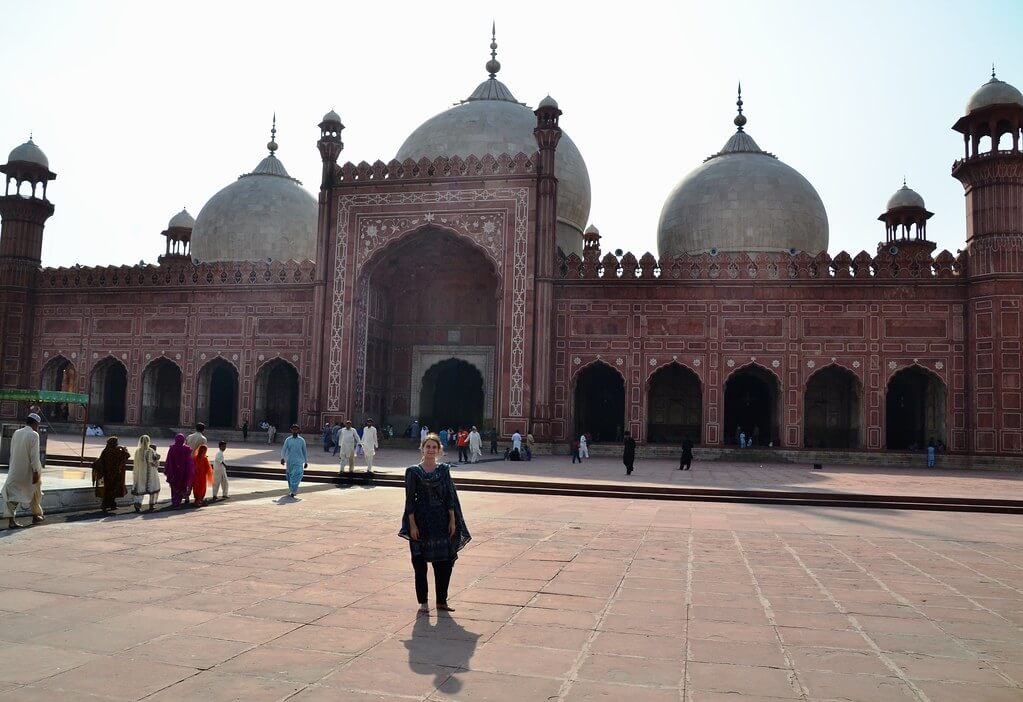
Lahore, Pakistan's cultural hub, is described in detail. Seeing the Badashahi Mosque, the Lahore Fort, and the Minar-e-Pakistan Square. The UNESCO site - the Shalimar and Wagah Gardens (the main descent ceremony on a single Indo-Pakistani border - about the second portion of the day). Return to Lahore and relax.
We will drive west from the cultural "capital" of Lahore to the capital of Pakistan, the city of Islamabad, stopping halfway to visit the Katasraj Temple and tour the Khewra Salt Mines. Dinner and stay in Islamabad at a hotel.
Optional: Visit the Rohtas Fort (travel through the Grand Trunk Road instead of the Khewra Salt Mines and Katasraj Temple).
Full-Day Sightseeing in Islamabad
Our personnel will transport all of our customers to the airport at their scheduled departure times. All of our partner hotels have a 12pm check-out time.
Holiday Overview
The Indus Valley Civilization's story begins approximately 5500 BCE when evidence of early religious practices in the region is discovered. However, farming villages did not begin to take root until around 4000 BCE, marking the first steps towards agricultural society. But it is the emergence of urbanization around 3000 BCE that truly characterizes this civilization—a revolutionary time that signaled the birth of cities.
By 2600 BCE, hundreds of towns and cities had sprouted up, and the Indus Valley Civilization had reached its pinnacle. Among the most notable archaeological sites are Mohenjo-Daro on the lower Indus River and Harappa further upstream. These cities are distinguished by excellent drainage systems, smart urban design, and a high level of social organization. Surprisingly, despite its urbanization, the civilization lacked a centralized governmental authority, provoking academic disagreement regarding its governance structure.
The decline of the civilization, which began approximately 1800 BCE, is marked by a number of major changes. Writing, once an essential part of civilization, began to fade. Standardized weights and measurements used in commerce and taxation fell out of favor. The link to the Near East was cut, and certain cities were eventually abandoned.
The reasons for this reduction are still up for debate among academics. It is largely assumed that the drying up of the Saraswati River, which began approximately 1900 BCE, played a significant influence. Environmental conditions, shifting trade patterns, and shifts in socioeconomic dynamics are all potential factors in the demise of this ancient society.
Pakistan's historical environment is a kaleidoscope of periods and influences, ranging from the Mehargarh era to Harrapa and Moenjodaro, the Gandhara and Buddhist periods, the Islamic and Mughal eras, and the British Raj. Nonetheless, the Indus Valley Civilization remains a fascinating enigma, owing in great part to the fact that its language has not been understood. The legacy of this ancient society, with its incredible achievements and unresolved questions, continues to captivate archaeologists, historians, and curious minds alike, providing a tantalizing insight into human civilization's distant past.