Culture and history info
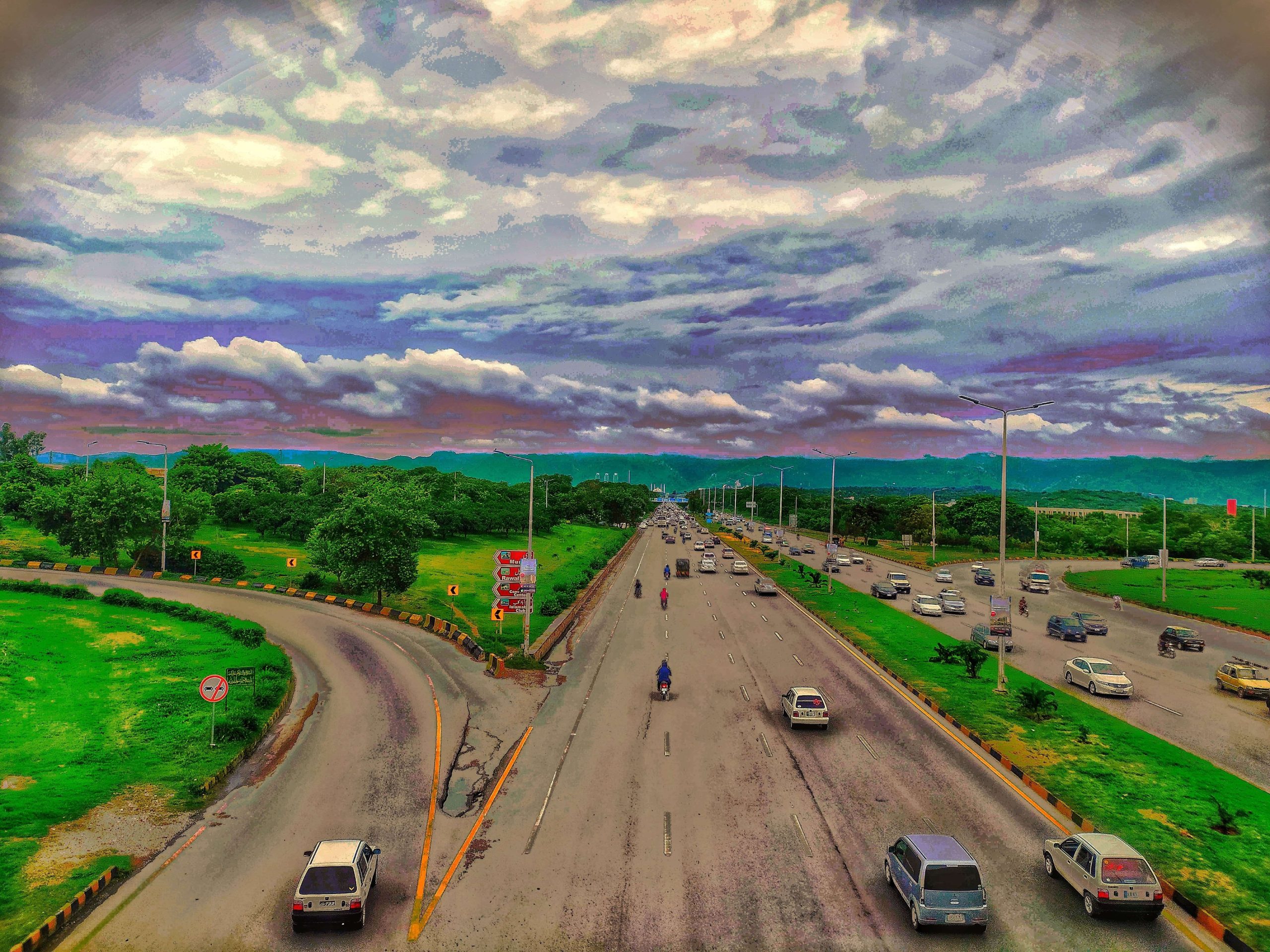
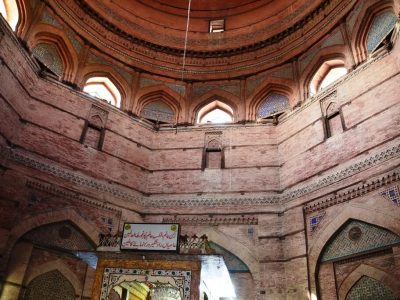
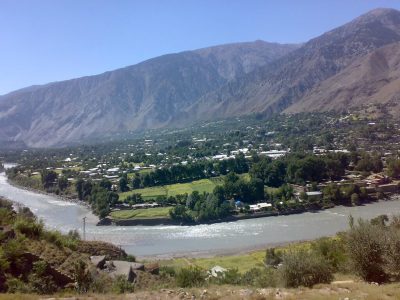
Islamabad, Pakistan's capital city, has a rich tapestry of culture and history woven from the country's unique legacy and modern growth. While Islamabad is a new city, it is immersed in the region's ancient history and cultural traditions.
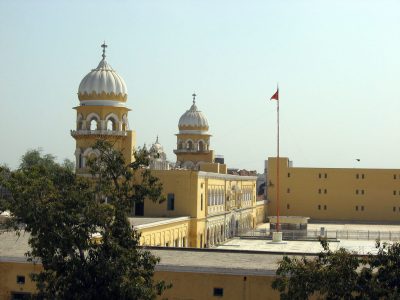
Islamabad's cultural landscape is a combination of numerous influences, symbolizing Pakistan's mosaic of ethnicities. The city functions as a melting pot, bringing together individuals from all over the country, each with their own language, food, customs, and traditions.
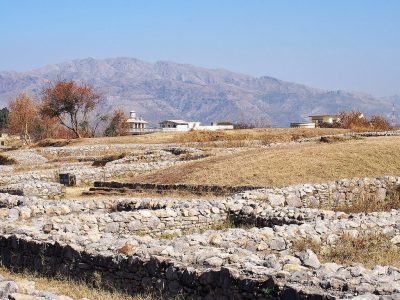
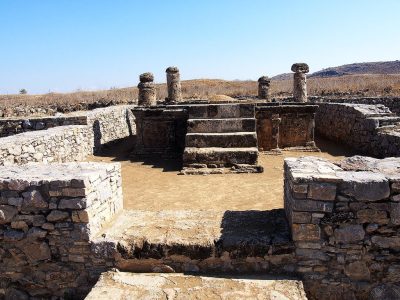
The location where Islamabad now stands has been inhabited for generations. The neighboring Taxila archaeological site, which is a UNESCO World Heritage site, attests to the area's ancient origins. Taxila was a famous center of Buddhist scholarship and trade in the ancient world, attracting academics and merchants from all over the world.
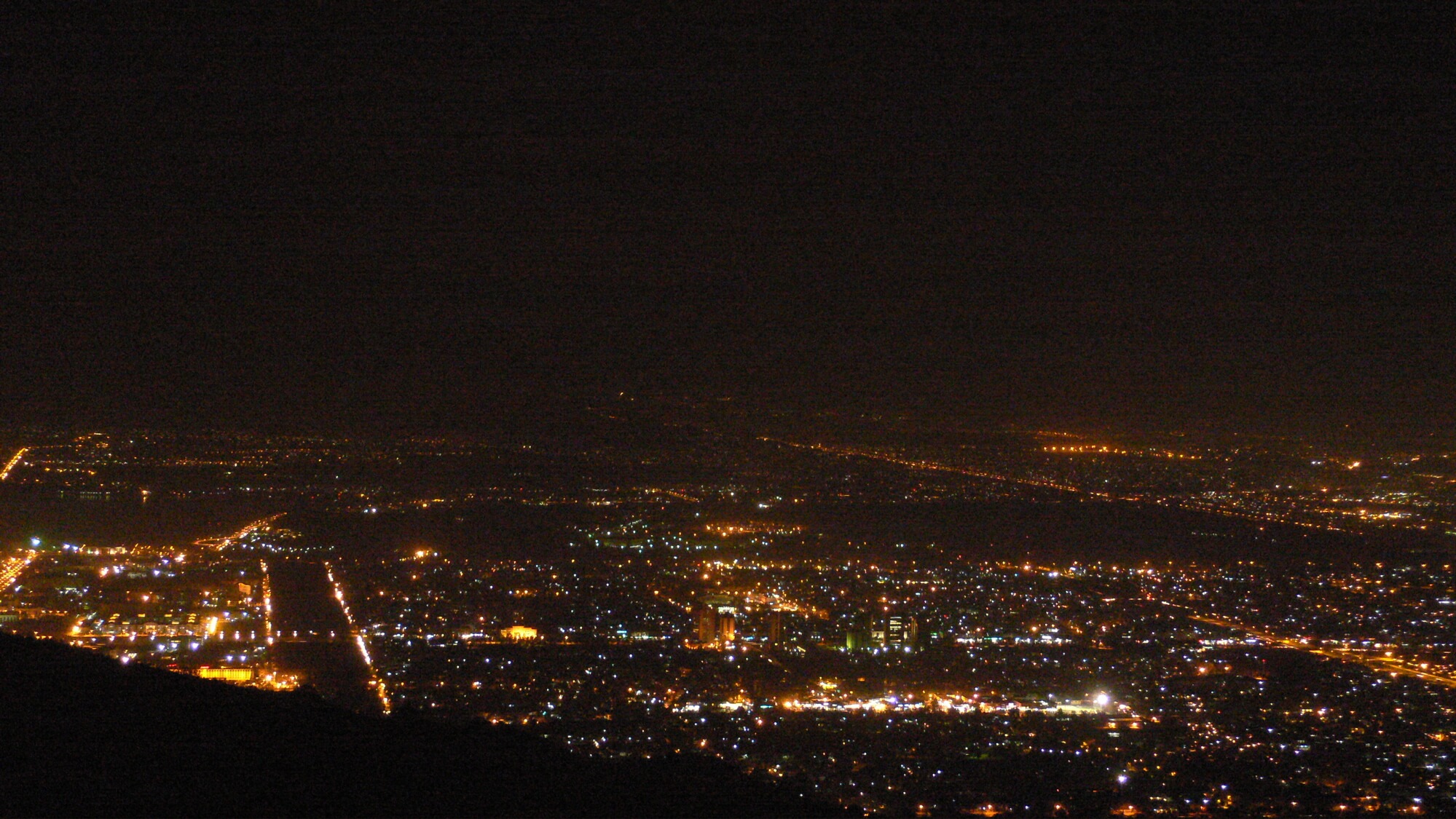
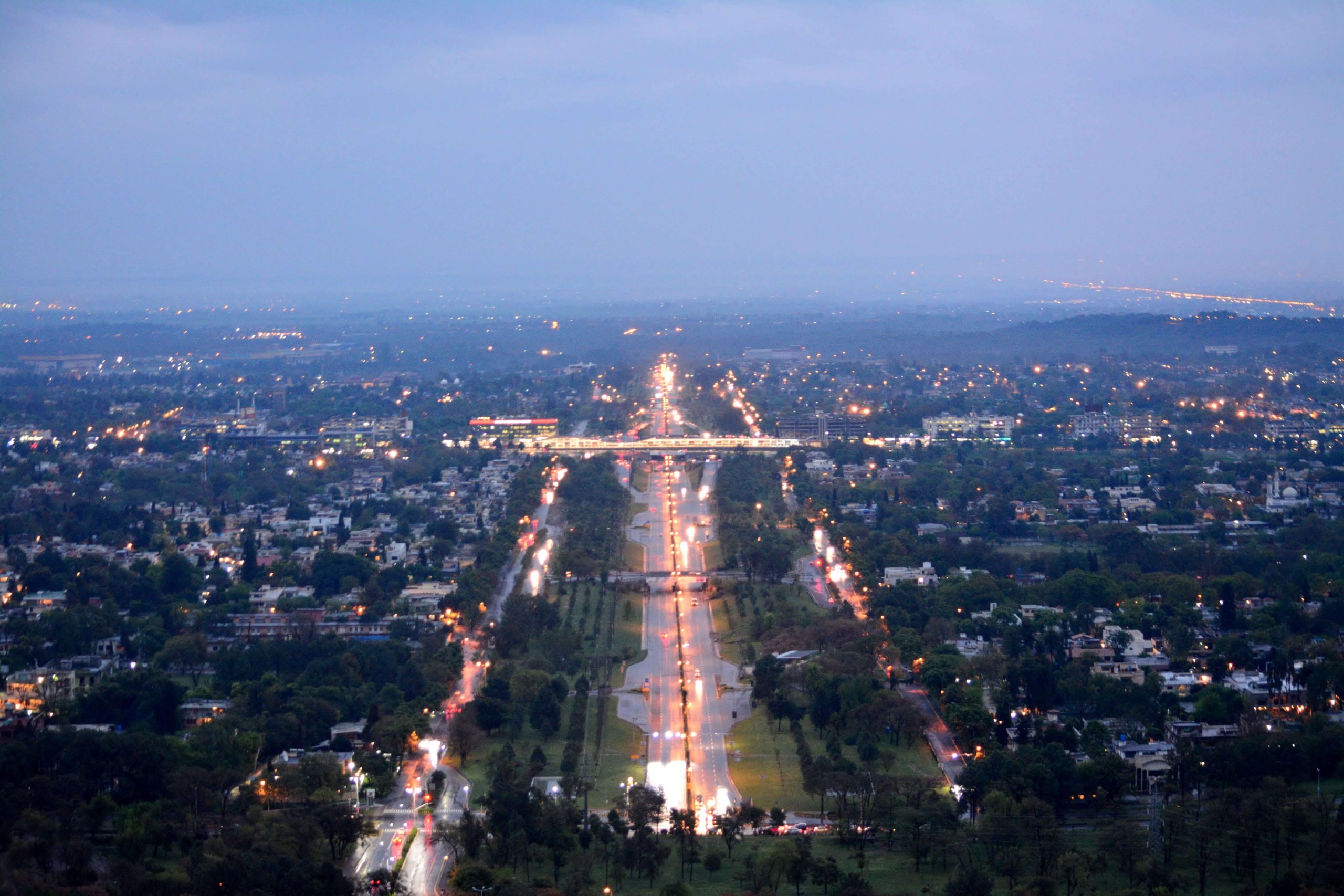
The modern metropolis of Islamabad was planned and built in the 1960s to serve as Pakistan's new capital. Its construction was part of a plan to build a purpose-built capital to exhibit the country's accomplishments, cultural heritage, and aspirations. The master plan for the city was created by renowned Greek architect Constantinos Apostolou Doxiadis, who incorporated modern urban planning principles as well as natural landscape preservation.
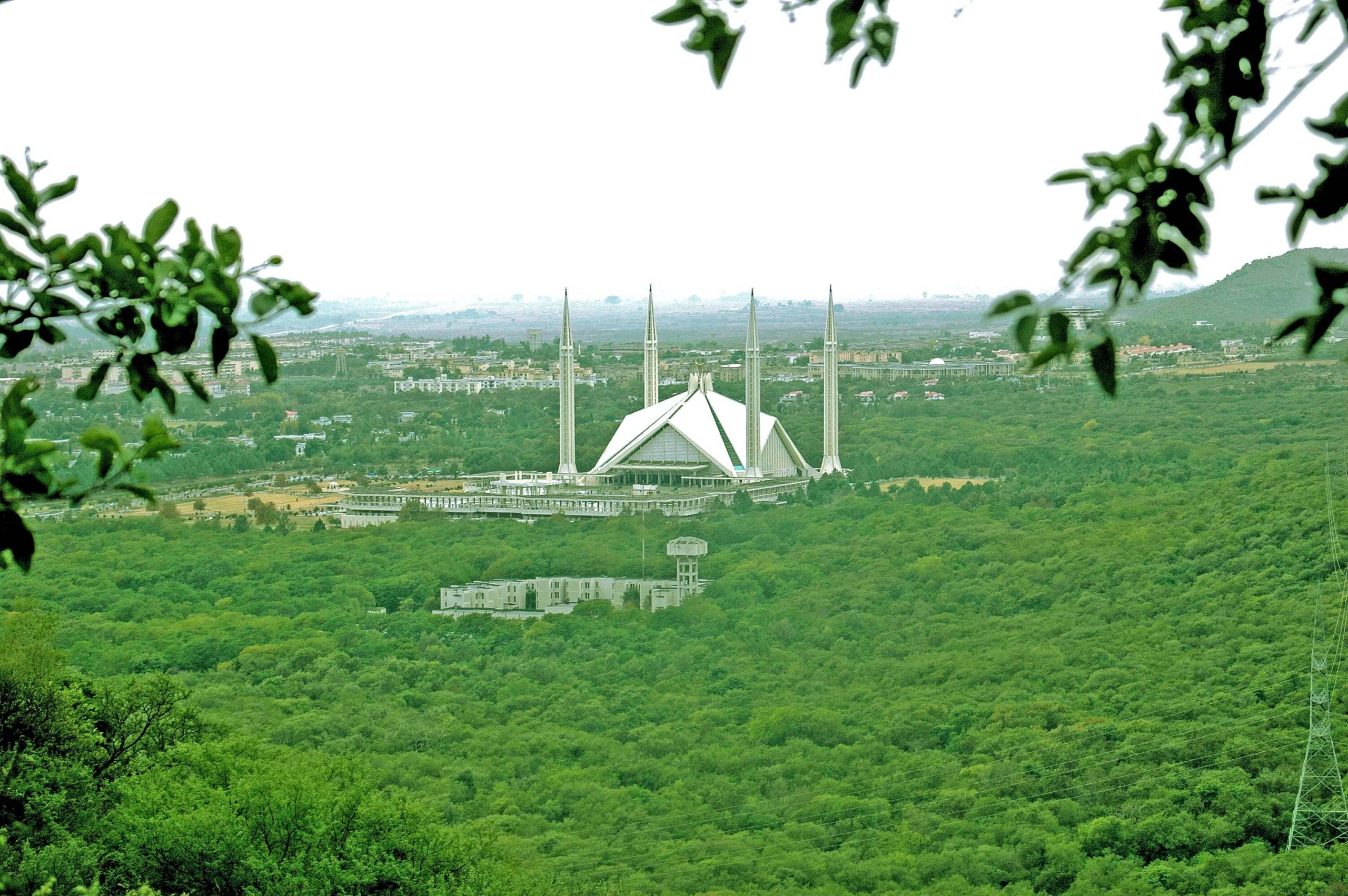
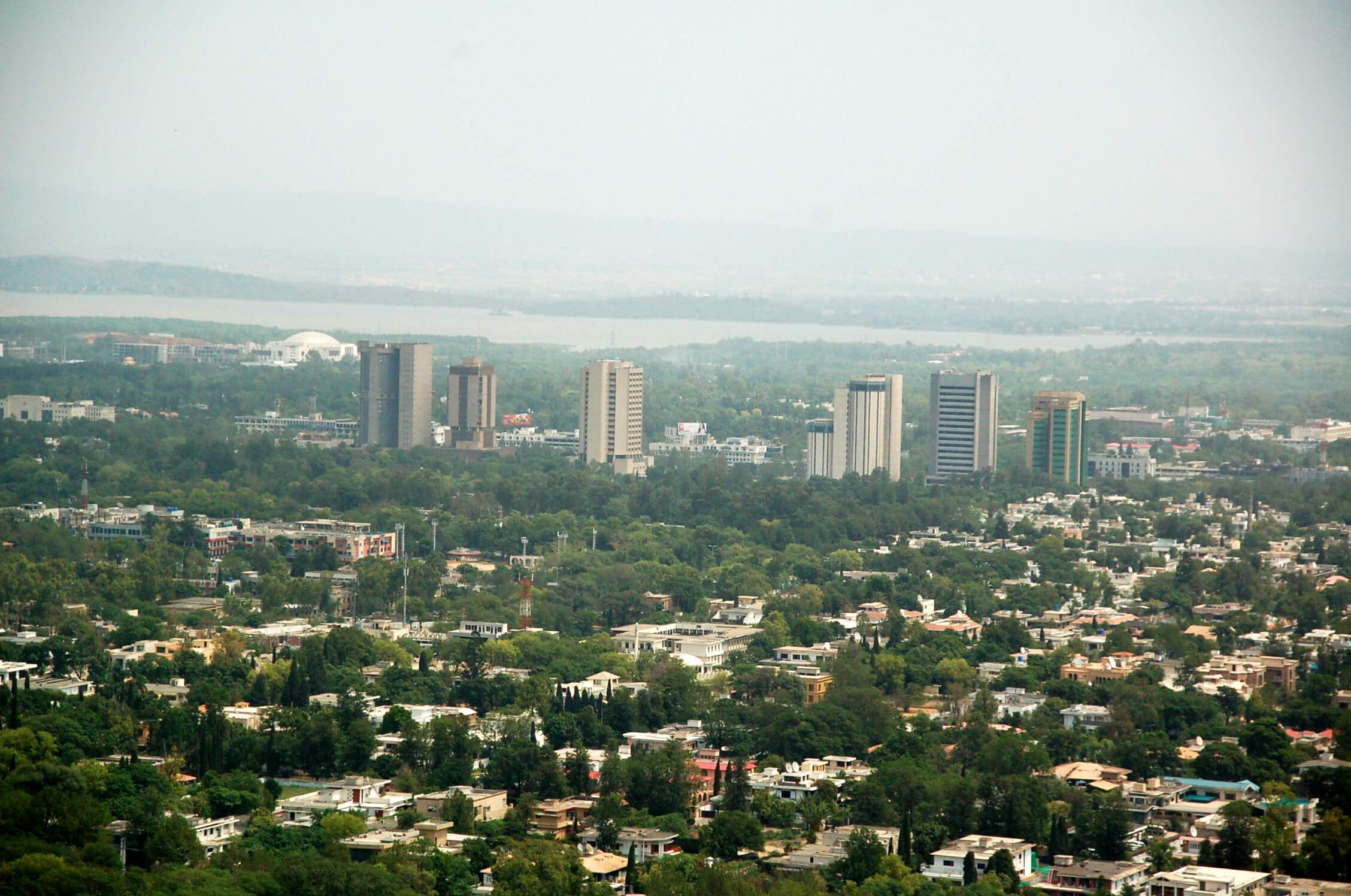
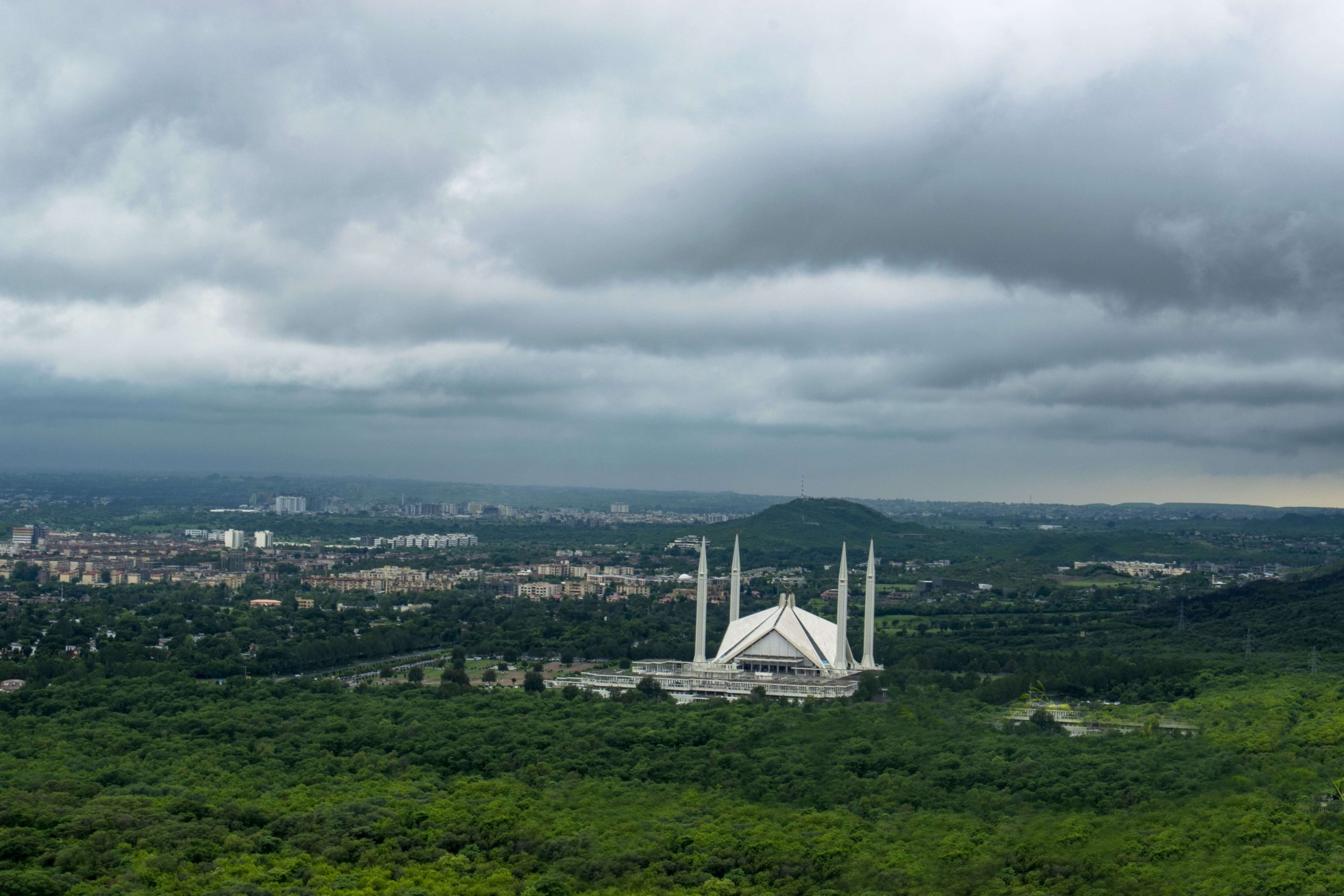
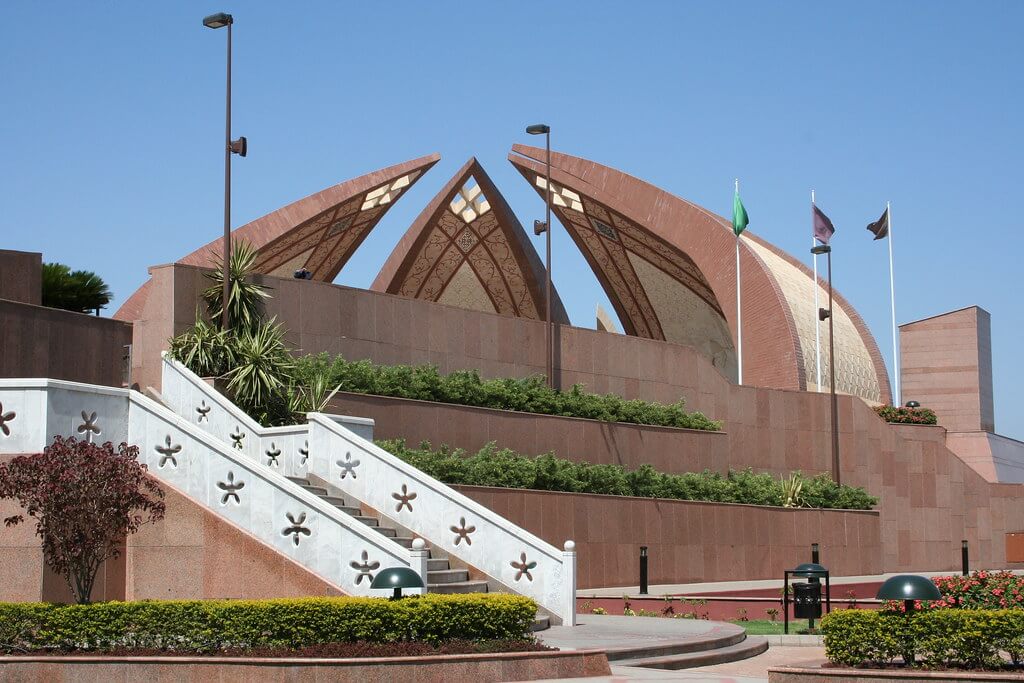
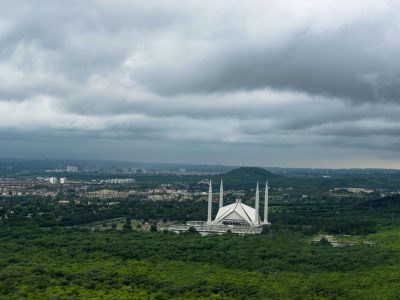
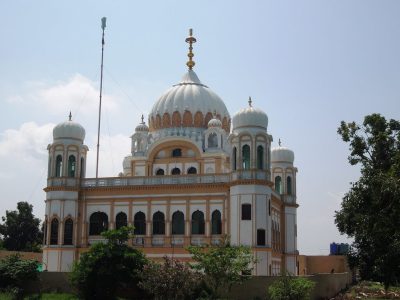
In terms of architecture, Islamabad combines modern and traditional aspects. The skyline of the city is ornamented with majestic structures like as government buildings, mosques, and cultural centres. The Shah Faisal Mosque, named after Saudi Arabia's King Faisal and recognized for its remarkable modernist style and huge prayer rooms, is one of the most distinctive buildings.
The cultural scene of Islamabad is dynamic and diverse. Throughout the year, the city holds a variety of cultural events, music concerts, theatre performances, and art exhibitions. The Lok Virsa Museum is a treasure mine of Pakistani art, crafts, and cultural artifacts that provide visitors with an insight into the country's history.
The city also has a diverse cuisine that reflects the culinary traditions of Pakistan's various regions. Islamabad's restaurants and street food vendors offer to a wide range of tastes, from traditional Pakistani foods to international cuisines.
Islamabad's culture is heavily entrenched in hospitality and compassion. Islamabad residents are recognized for their friendliness and hospitable demeanor, and they welcome guests with open arms. The heterogeneous character of the city generates an atmosphere of inclusivity and peace.
Islamabad, as the capital city, is also a focus of political and diplomatic activity. Government agencies, foreign embassies, and international organizations call it home. This adds to the city's cosmopolitan character by encouraging cross-cultural exchanges and encounters.
To summarise, Islamabad's culture and history exemplify Pakistan's unique heritage and aspirations. Modernity coexists with ancient roots in the city, resulting in a unique blend that represents the country's progress and rich cultural tapestry. Islamabad is a vibrant centre for art, music, food, and diplomacy, inviting tourists to discover and experience the essence of Pakistan's cultural and historical heritage.