Culture and history info
The Himalayan culture and history are as broad and varied as the beautiful mountain range itself. For ages, the Himalayas have been a crucible of civilizations, spiritual practices, and cultural exchanges throughout several South Asian countries, including India, Nepal, Bhutan, Tibet (China), and Pakistan.
The Himalayas support a diverse range of cultures, languages, and traditions. For millennia, the region has been home to a diverse range of ethnic groups, including Sherpas, Tibetans, Gurungs, Bhutanese, and indigenous people. Each group brings its own customs, rituals, festivals, music, dance styles, and culinary heritage to the table, resulting in a diverse mosaic of cultural manifestations.
Religion is an important part of the Himalayan cultural fabric. For millennia, Buddhism, with its different schools and sects, has flourished in the region. Tibetan Buddhism has had a significant impact, with monasteries, stupas, and prayer flags dotting the landscape. Hinduism has significant roots as well, with pilgrimage sites such as Kedarnath, Badrinath, and Pashupatinath attracting worshippers from all over the world. The Himalayas have a unique spiritual syncretism as a result of the blending of these two great religions, as well as indigenous animistic beliefs.
The Himalayas are immersed in myth, folklore, and historical narratives. The region has historically served as a crossroads for trade, ideas, and civilizations. The Silk Road and other ancient trade routes fostered the interchange of products, culture, and knowledge between the East and the West. Powerful dynasties, such as the Mauryas, Guptas, Mughals, and different Tibetan kingdoms, rose and fell in the Himalayas. The buildings, fortifications, palaces, and ruins that dot the region bear witness to these historical legacies.
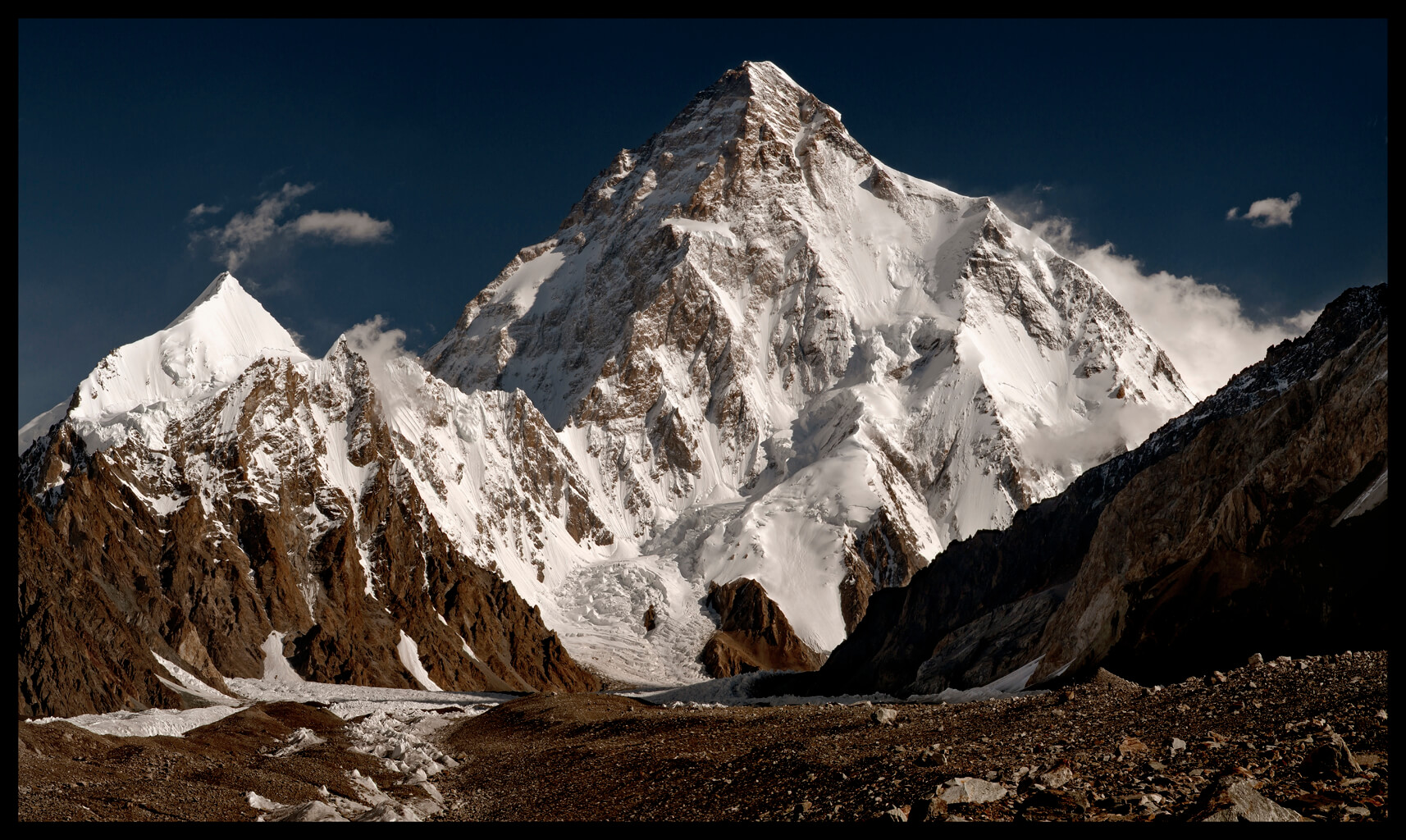
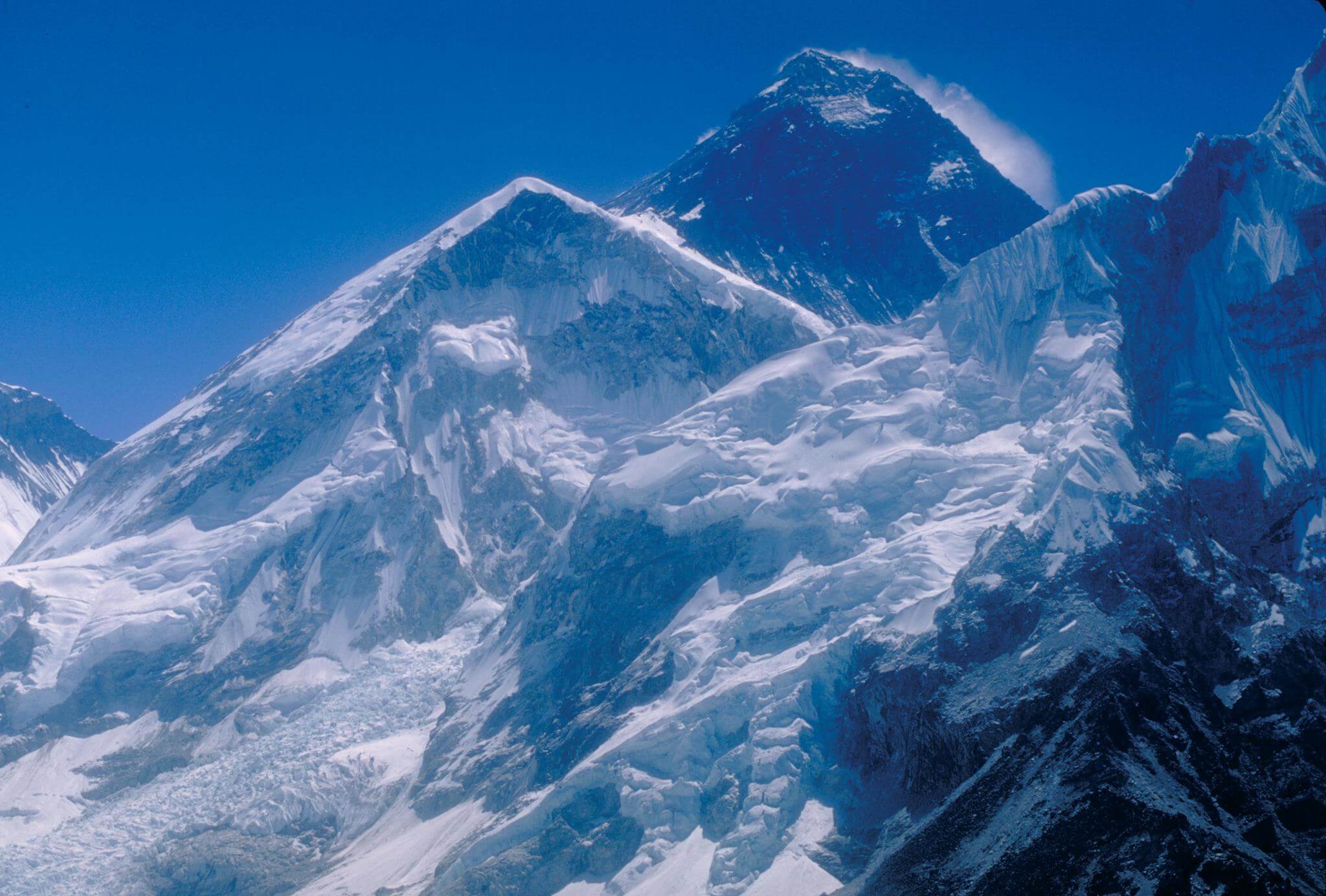
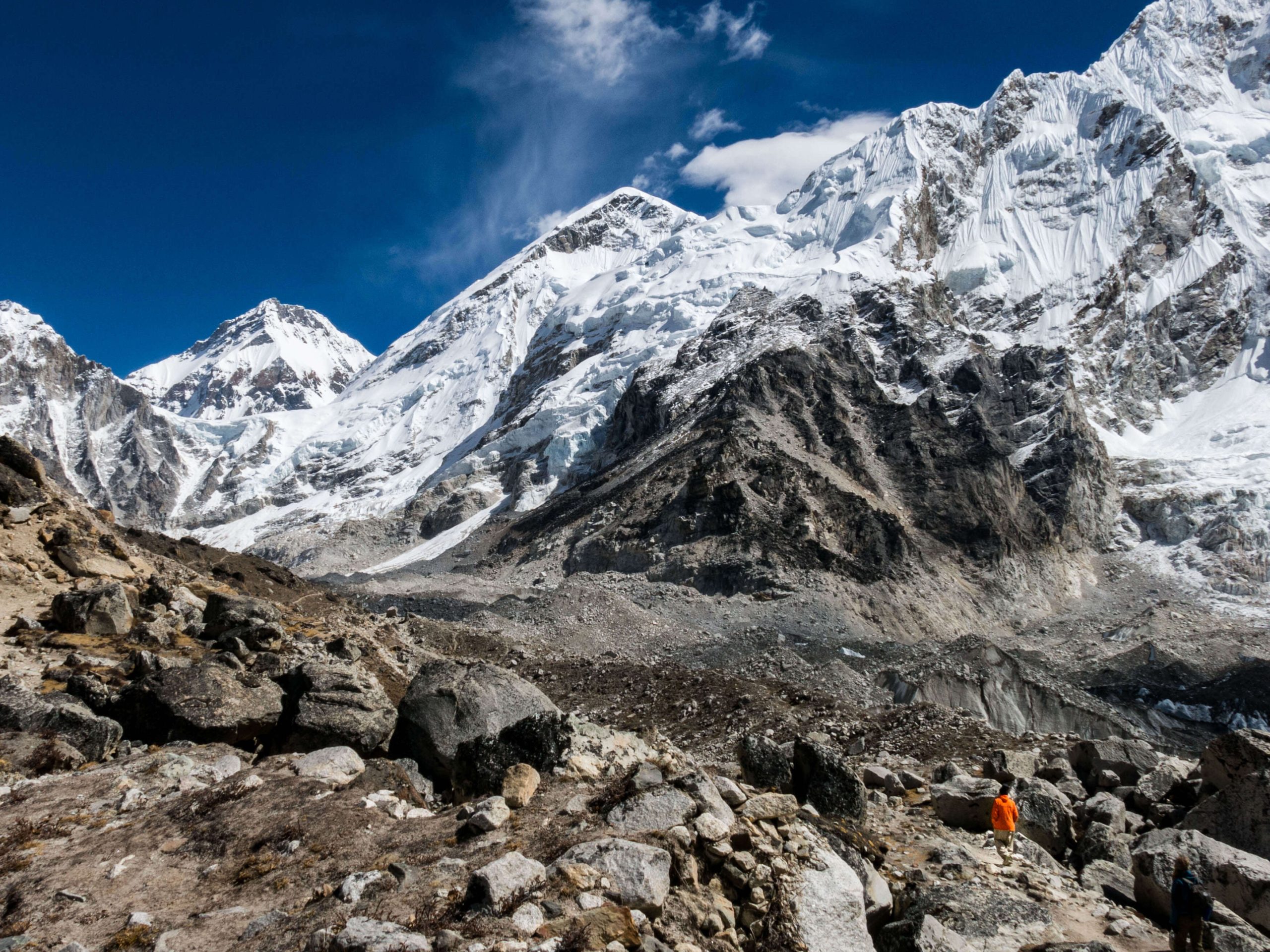
The Himalayas are extremely important in the exploration of mountaineering and adventure sports. Mountaineers from all over the world have been lured to the challenge of conquering the region's lofty peaks, especially the crown jewel, Mount Everest, since the early twentieth century. Mountaineering expeditions' triumphs and tragedies have left an unmistakable mark on the history and culture of the Himalayas.
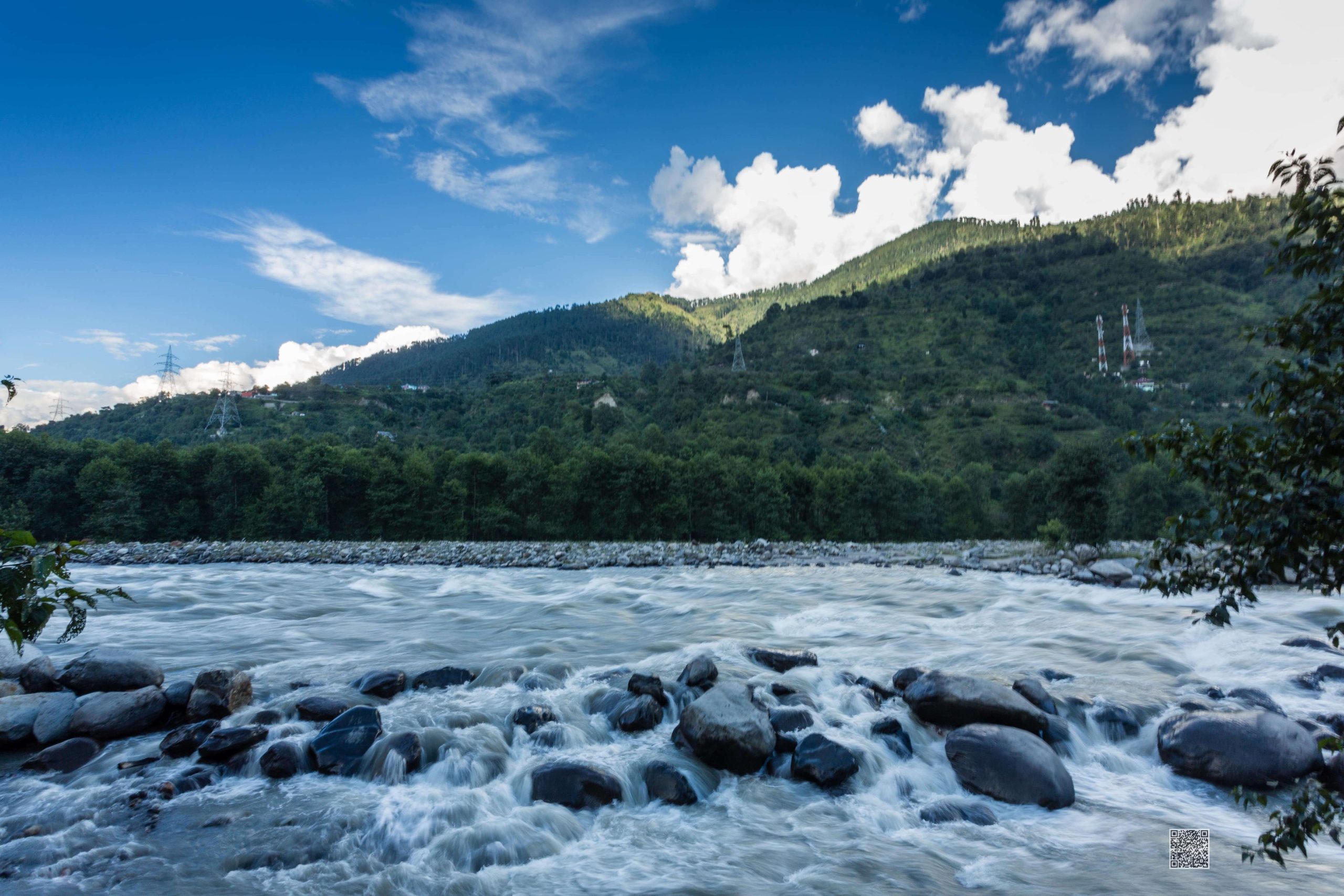
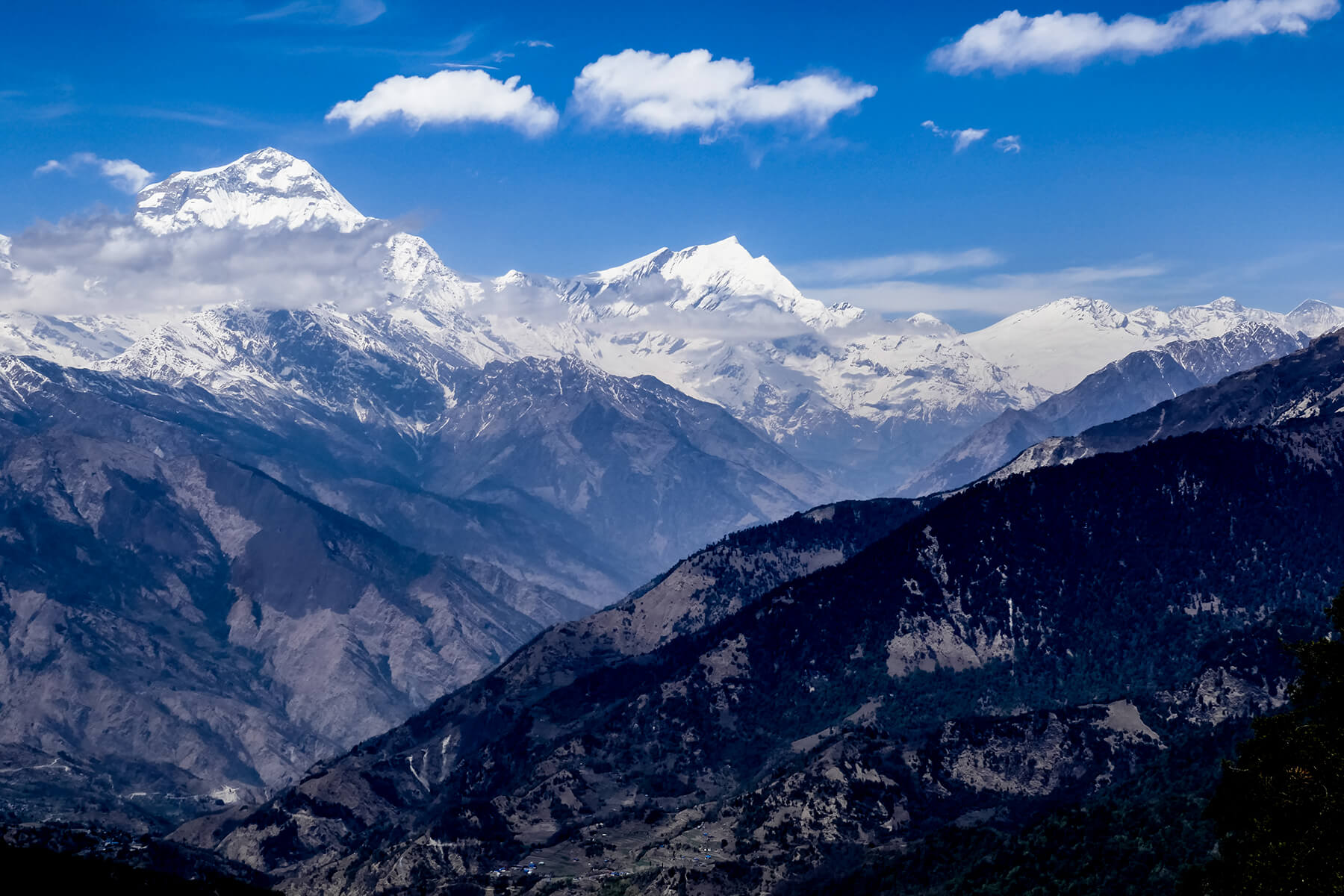
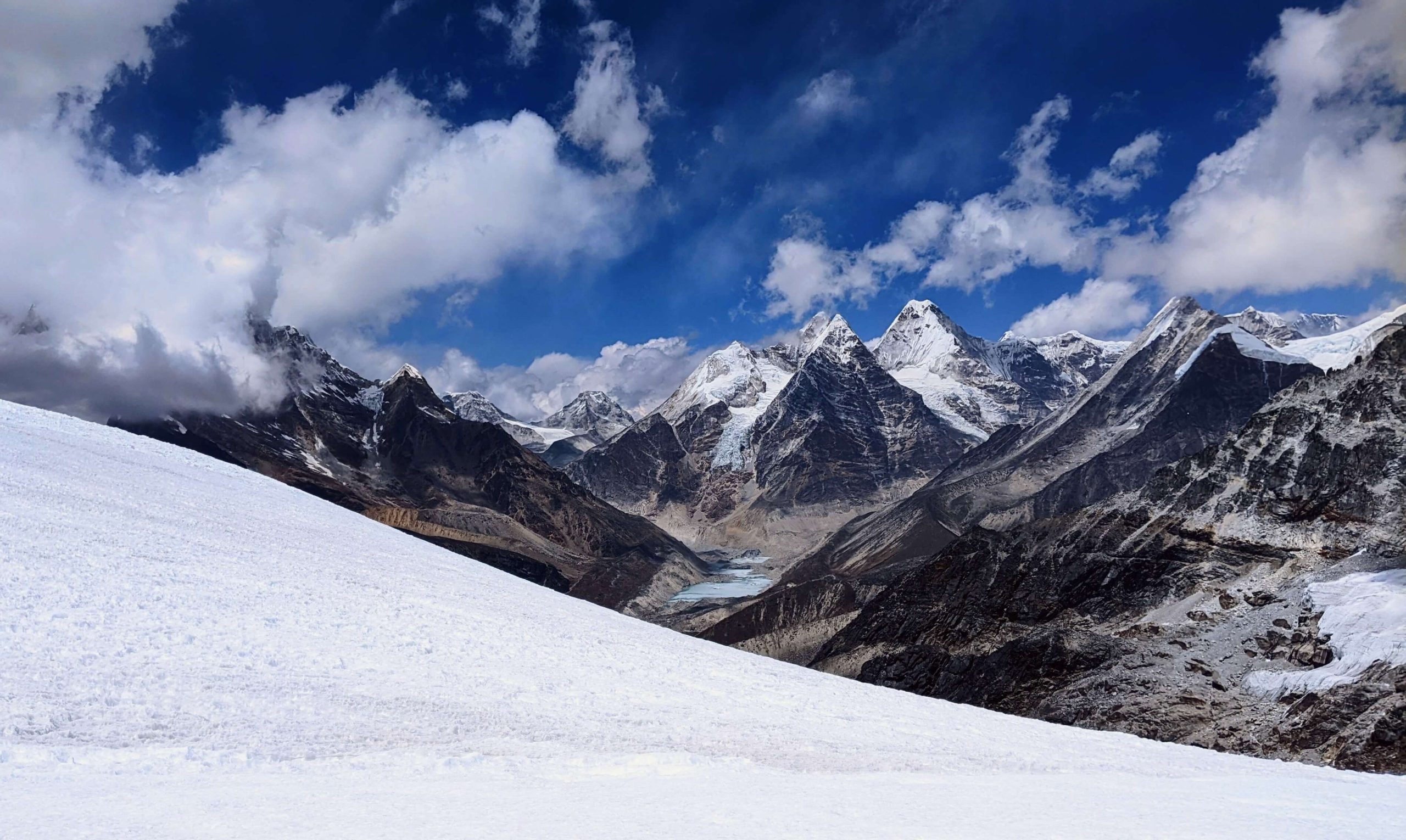
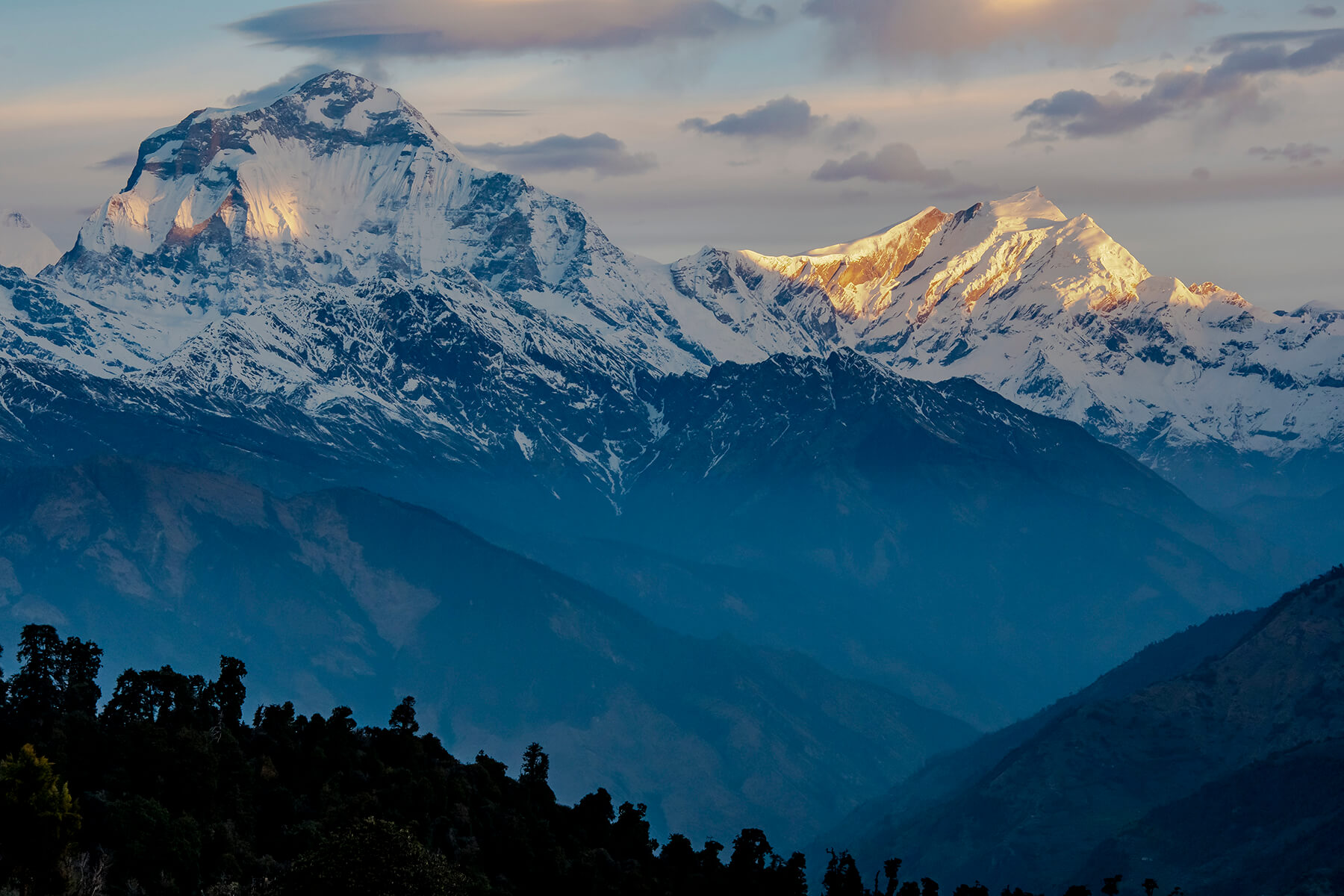
The Himalayas' natural beauty has inspired generations of artists, writers, and poets, with its snow-capped peaks, deep canyons, alpine meadows, and pristine lakes. The landscapes of the region provide as a backdrop for a variety of art forms, literature, and oral traditions, which frequently praise the harmony between humans and the environment.
The Himalayas have recently encountered environmental concerns such as climate change, deforestation, and unsustainable tourism practices. However, efforts are being made to encourage sustainable development, biodiversity conservation, and cultural heritage preservation. Eco-tourism, community-based conservation, and cultural exchange programs are among the initiatives aimed at preserving the Himalayas' cultural and environmental resources for future generations.
Finally, the Himalayan culture and history are testaments to the perseverance, diversity, and spiritual richness of the people who have inhabited this awe-inspiring mountain range. The region's distinct mix of cultures, religious practices, historical legacies, and natural beauty continues to captivate and inspire visitors from all over the world.