Culture and history info
The Hindukush region's culture and history, which stretches over Pakistan and Afghanistan, are rich and diverse, formed by millennia of contact between numerous civilizations and ethnic groupings. The region has long been a cultural crossroads, acting as a conduit for trade, migration, and the flow of ideas.
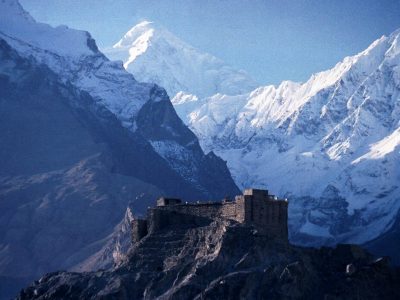
The development and fall of various empires, notably the Maurya, Kushan, Ghaznavid, and Mughal empires, is entwined with the history of the Hindukush. It has seen armies pass through and ancient cities rise, leaving signs of their magnificent past behind. The Hindukush's strategic location as a gateway between Central Asia and the Indian subcontinent has made it a sought-after territory throughout history.
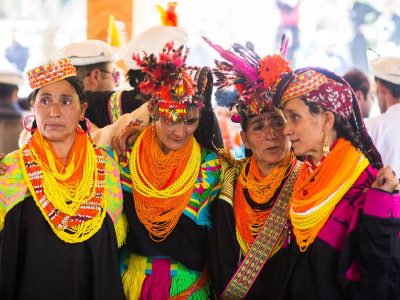
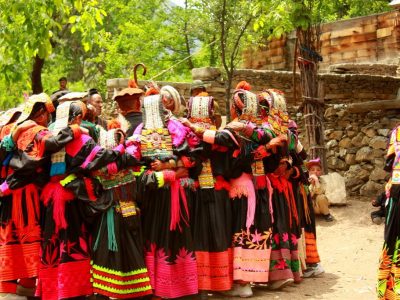
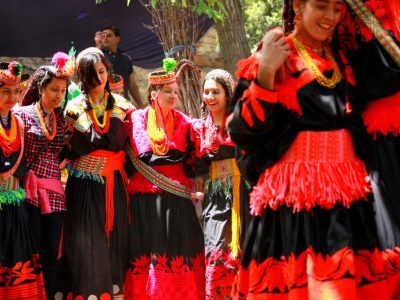
The Hindukush's indigenous peoples, including as the Pashtuns, Kalash, and Nuristanis, have distinct languages, traditions, and social structures. Despite foreign pressures, they have kept their cultural history, retaining their own identities and way of life. Traditional dances, music, clothes, and handicrafts highlight the region's unique cultural tapestry.
Religion has had an important influence in establishing Hindukush culture. The region's primary religion is Islam, with its different sects, although there are also ancient pagan practices and pockets of Hinduism. The region's historical significance can be seen in the various ancient archaeological sites, which include Buddhist stupas, Hindu temples, and ancient rock sculptures.
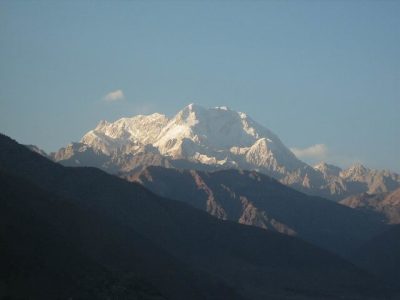
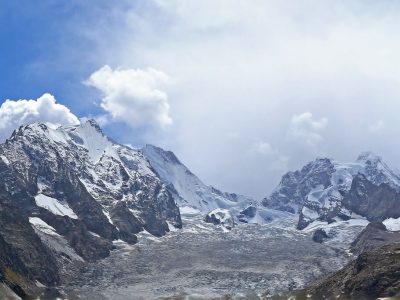
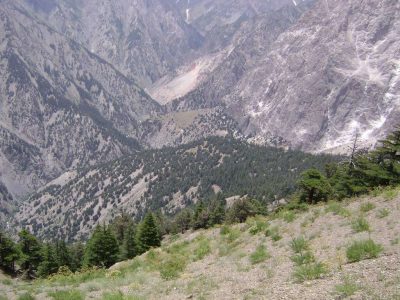
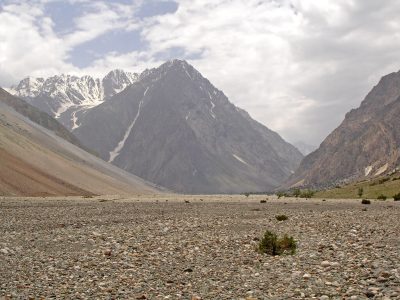
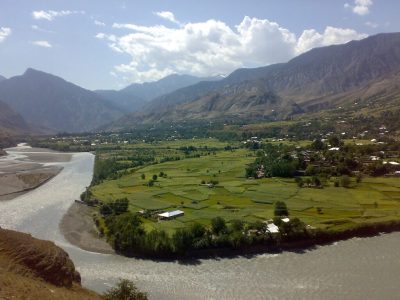
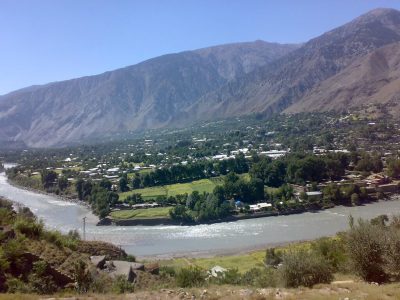
The rough topography of the Hindukush has influenced its residents' livelihoods. Agriculture, cattle rearing, and trading have been traditional vocations that have evolved in response to the difficult terrain and severe environment. The region's strategic location along ancient trade routes, such as the Silk Road, has attracted a diverse mix of civilizations and goods, leaving an indelible mark on local culture and food.
The Hindukush region is also well-known for its vibrant festivals and celebrations. Traditional celebrations like Nowruz (New Year), Jashn-e-Baharan (Spring Festival), and religious festivals like Eid and Diwali bring communities together to celebrate their rich customs, music, dance, and culinary pleasures.
Despite geopolitical strife and modernization, the people of the Hindukush region work hard to preserve and promote their distinct cultural heritage. Efforts are being done to archive and revitalize indigenous languages, protect archaeological sites, and promote environmentally and culturally responsible tourism.
Exploring the culture and history of the Hindukush region provides an enthralling voyage through time, where one may observe the endurance of its people, the ruins of old civilizations, and the lasting traditions that have shaped the fabric of this unique region.