Itinerary
The Itinerary for the Kasavir trek is noticeable below
The region beneath a massive cedar tree (whose top was lopped off by a lightning strike) beneath the inspection and watcher house is known as Chaghbini, which means "place where there is always shade." The views from Birmogh Lasht and Chaghbini are breathtaking, offering an almost 360-degree panorama. Tirich Mir is to the north, Buni Zom is to the north-east, and Ghariet is to the south-east.
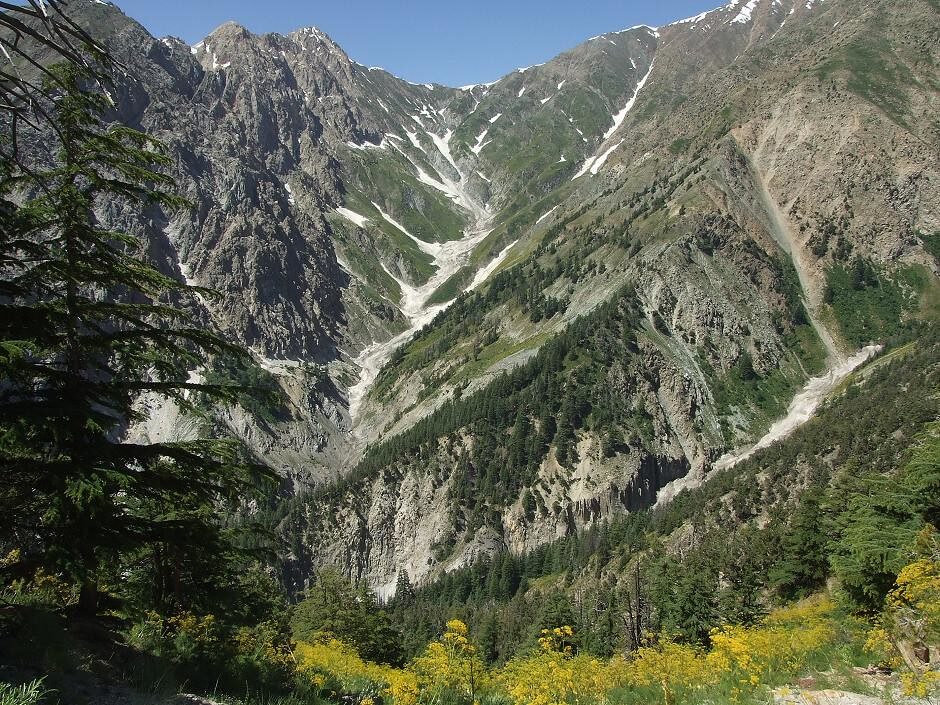
Travel west from the rest house (2925m) through the conifer forest on a travel trail on the ridge's south-facing side. Choose between two ways to Kasavir where the trail makes an obvious curve north. Both roads are shaded by cedar and Chilghoza pine forests, with a few oaks, hollies, and junipers thrown in for good measure. A steep path drops dramatically down a lateral slope in two hours to Kasavir, but you'll need a game watcher to show you the way. Alternatively, you can take the longer but more gradual trek down the Ishperudeh Nala. Ishperudeh means ' white place' in reference to the light-colored cliffs above. Continue north from the curve, crossing a spring in 15 minutes and encountering the Ishperudeh Nala in another 15 minutes. Cross the river and make your way down its bank.
As you approach Kasavir, the game observers' route takes you through abandoned apple and walnut orchards and across two canals above the Chitral Gol's left bank. Cross the Ishperudeh Nala and proceed upstream for a short distance to find a suitable area to ford the Chitral Gol. Kasavir (2195m), the location of the now-dilapidated hunting bungalow of the ex-Mehtar of Chitral, Saif Ul mulk Nasir, on the opposite bank of the river.
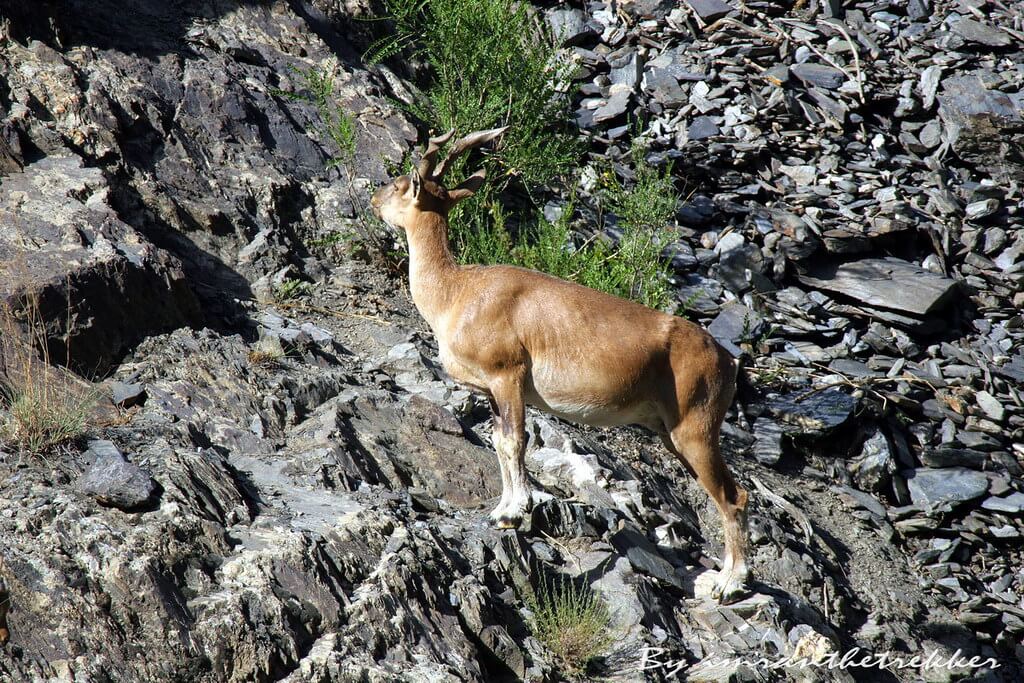
Mroi Lodini (the Markhor viewing point), a prominent rock outcrop seen from Chaghbini, is a few minutes' hike above Kasavir. Climb Mroi Lodini and gaze west across the river to the grassy plateau and craggy rocks above. Markhor is usually visible at dusk. Mroi refers to all Markhor, whereas Shahrah refers to adult males and Majher to ladies and children
The ascent from Kasavir is steep and hot, so begin early to avoid spending too much time climbing in the sunlight. The Ishperudeh Nala track is more gradual, easier to follow, and the best option.
An alternate path follows the Chitral Gol downstream for two hours to Merin (1980m) and then another hour to the booster. However, in June and July, rising water renders this route impassable (see Merin under other treks).
A circuit can be made by returning to Chaghbini via Gokhshal. It is easier, though, to visit Gokhshal first, followed by Kasavir in an anticlockwise loop.
Cross the river to the grassy Kasavir Lasht (plain), then climb a route above the gorge to Kushunisuk. Then, after 15 minutes on an exposed and narrow track along the ridge overlooking the gorge, descend northwest for 30 to 45 minutes to Gokhshal (2650m).
From Chaghbini (2925m), take the trail south along the ridge through open forest to the head of the Ishperudeh stream, passing a spring. (Avoid the ridge top trail, which leads to a class 3 rock face traverse before joining the gentler trail described below.) Then climb a grassy slope to the rocky Ishperudeh ridge. The lowest point, the pass, is a little notch to the south (left) of a broader but higher saddle. Follow a cattle trail (used by cows) up for two hours, passing the confluence with the class 3 route from the right. Gokhshal An (3720m) is another 45 minutes to an hour away, with panoramic views from Lowari pass to Buni Zom.
Descended carefully over steep, loose gravel switchbacks to the milder vegetated slopes 30 minutes below. After 10 to 15 minutes, pass a tiny spring, then bridge two small clear streams and follow the trail above the real right bank of the second stream. Cross another tiny brook and follow its true right bank for another fifteen minutes instead of heading ahead into the clear forest. Reach the valley bottom in 30 minutes, then follow the trail down the true left bank of the Gokhshal stream for another 30 minutes to the tin-roofed game-watchers' home at Gokhshal (2650m). There are walnut trees nearby, as well as a spring alongside willows. The house is located in an incredible amphitheater-like rocky canyon with a neighboring pine-forested boulder area. Unfortunately, cows graze nearby, so there is no grass and excrement heaps beneath the trees.
Holiday Overview
The journey to Kasavir begins with a trek through the pure wilderness of Chitral Gol, which allows visitors to immerse themselves in tranquil and unspoiled natural settings. This walk is not only visually magnificent, but it also offers a sense of adventure and connection with nature.
An overnight excursion to Kasavir is strongly recommended for anyone looking for a genuinely authentic experience. The Markhor, with their unique spiral horns, are most active and noticeable during the twilight hours of dusk and sunrise. Kasavir provides an excellent vantage point for viewing these magnificent creatures in their native habitat.
The name "Kasavir" is taken from the native Kalashamun language, which translates to "a hunting sanctuary." While hunting is no longer permitted in this area, the name reflects Kasavir's historical significance as a hunting place.
Kasavir's seasonal fluctuation in wildlife sightings is one of its most notable features. Visitors can see Markhor grazing on the cliffs above Kasavir throughout the spring and early summer months. With their swift movements and beautiful appearance, these sure-footed herbivores enchant viewers.
Kasavir shows yet another wonder in the winter and early spring—snow leopards. These elusive and critically endangered large cats have been spotted in the vicinity. Spotting a snow leopard in the wild is a once-in-a-lifetime opportunity, and Kasavir is a site where this desire might come true.
Kasavir reflects the region's excellent conservation efforts, giving a safe haven for these amazing species. It demonstrates the significance of preserving biodiversity and protecting the natural habitats of Pakistan's wonderful animals.
Kasavir offers a memorable journey for people who are passionate about wildlife, adventure, and the profound beauty of nature. It is an opportunity to see some of the world's most spectacular animals in their natural habitat and gain a deeper understanding of the importance of conserving and protecting these valuable species for future generations. Kasavir is a destination that makes a lasting impression, inspiring amazement and astonishment for the natural world's wonders.