Itinerary
The Itinerary for Pakistan Hindukush Karakoram is noticeable below
We will take a short tour of Islamabad after meeting you at the airport and checking you into your hotel.
It is expected that people will arrive in the early morning hours.
Spend the night in Islamabad.
It's a long trip from Islamabad to the Kalasha Valley
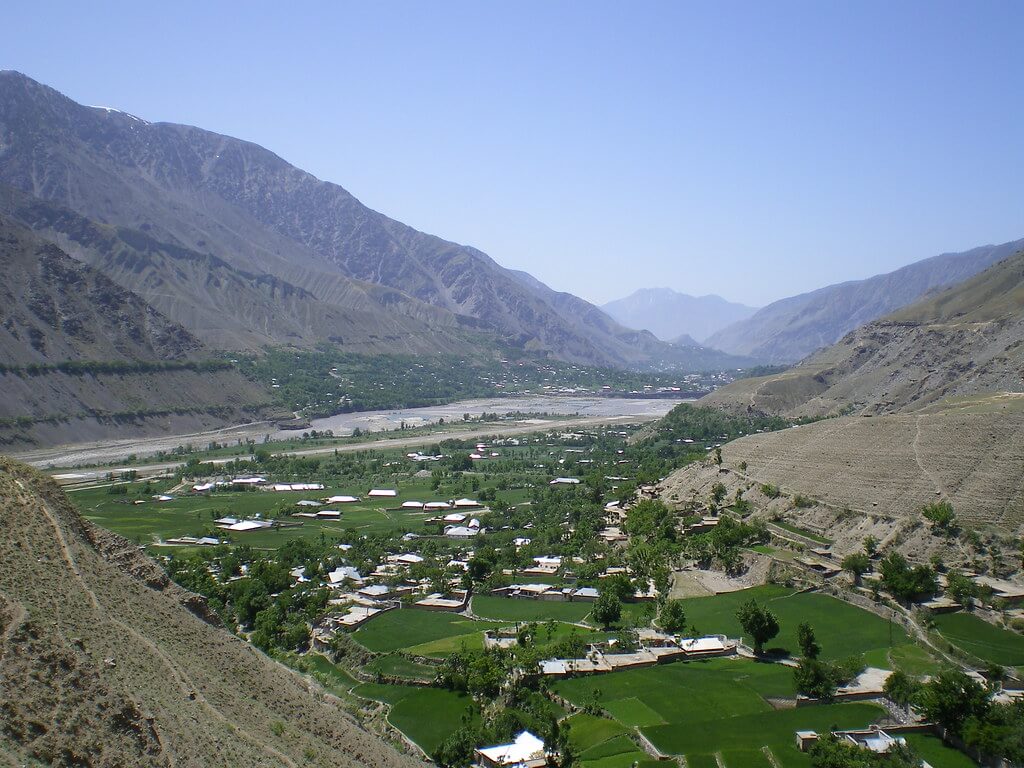
This will be a full day of traveling, including passing through the 10km Lowari tunnel that connects the Chitral region to the rest of Pakistan. We will travel directly to the Kalasha Valleys once we arrive in the Chitral region.
Overnight stay in the Kalasha valleys.
We will spend two days touring the Rumbour and Bumboret valleys, sleeping in locally-owned guesthouses, eating locally-farmed food, and drinking locally-produced wine. The days will be spent relaxing, walking, or jeeping in the secluded valleys' Kalasha communities. We will make arrangements for you to stay with Kalasha households so that you can immerse yourself in the Kalasha culture.
This day will be spent in the more tranquil Rumbour Valley.
Overnight in a little guesthouse in the Kalasha valleys.
We attempt to arrange this trip to coincide with the "Marachwaki Joshi" festival, which celebrates the mulberry harvest in Bumboret Valley.
Overnight in a small guesthouse in the Kalasha valleys.
A drive to Chitral in the morning. After lunch, spend the day in Chitral exploring the fort, Shahi Mosque, and local bazaar.
Chitral is where you'll spend the night.
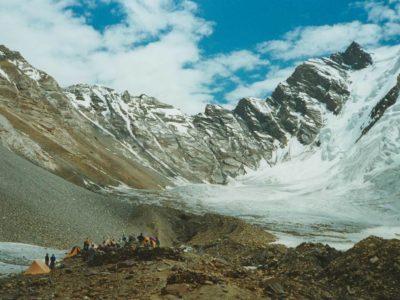
The route connecting Chitral and Gilgit traverses the Hindu Kush. The mountains become larger, and the road quality worsens. The journey takes three days (days 6, 7, and 8). Because this road is being renovated in 2024, travel times and conditions may vary.
On the first night, we'll stop at Mastuj, which is more of a collection of small properties connected by meandering lanes than a town. It's the ideal place to do nothing but admire the scenery.
Mastuj is where you'll spend the night.
We continue our journey across the Hindu Kush, passing through the 3700-meter Shandur Pass, which is home to the world's highest polo ground.
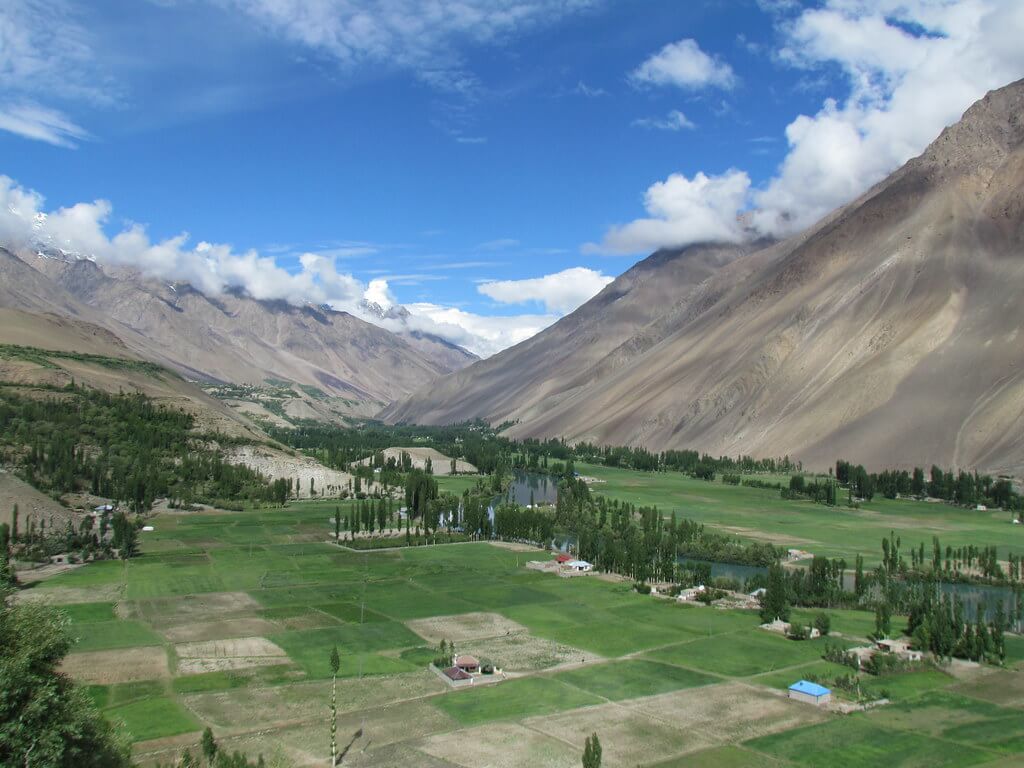
We take a break in the afternoon at Phandur to relax by the lake.
Phandur is where you'll spend the night.
Drive from Phandur to Gilgit, Pakistan's largest town in the far north. We shall see the Kargah Buddha carving at the gateway of Gilgit.
Gilgit is where you'll spend the night.
From Gilgit, we take the famed Karakorum Highway to the legendary Hunza Valley. As gigantic 7500m+ peaks tower above the valley, the morning drive will stop at numerous overlooks.
We will see the Baltit Fort after we get to Hunza.
Then we'll utilize Hunza as a base to explore the surrounding area.
Hunza is where you'll spend the night.
In Hunza, we have two days of exciting trips planned. However, you may want to sit under an apricot tree, gaze out at the mountains, and read a book.
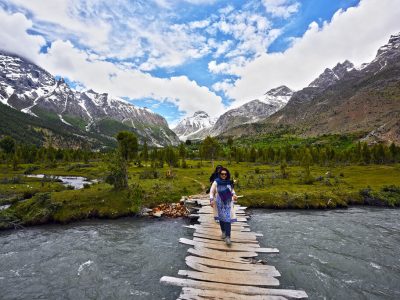
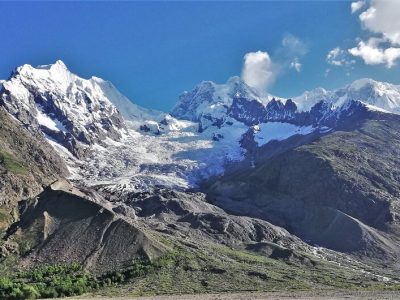
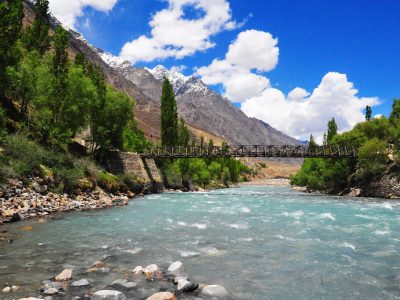
We shall pass via the freshly constructed Attabad Lake on our way to Passu one day. The 30-kilometer-long lake was formed in 2010 after a major landslip obstructed the Indus River. We can see the glacier and the famous Husseini rope bridge in Passu.
Hunza is where you'll spend the night.
On this day, we will visit the old fortress of Altit, one of the original residences of the Hunza Mirs. For the fit, we'll take a stroll through the high irrigation channels carved into the rock, providing breathtaking vistas and insight into how the Hunza people built their Shangri-La.
Hunza is where you'll spend the night.
The journey from Hunza to Naran was exhausting.
The first section will be on the Karakorum highway, where we will cross the meeting point of the three big mountain ranges. We leave the Karakorum Highway after crossing between the Himalayas, the Karakorum, and the Hindu Kush and traverse the 4000-metre-high Babasur Pass before arriving in Naran in the Kaghan valley.
Spend the night at Naran.
Another day was spent taking in the sights of the Kaghan Valley and the final stretch of the Karakorum highway. We'll arrive in Islamabad early enough to share one last supper together.
Spend the night in Islamabad.
Transport to the airport.
The trip has come to an end.
Holiday Overview
The Kalash valleys bear witness to a distinct old culture that flourishes amidst the high peaks of the Hindukush Mountains, which connect Chitral to Afghanistan and, by extension, to the Central Asian regions of the former Soviet Union. The Kalash tribe, also known as Kefirs, are nature worshippers who live in these tranquil and gorgeous valleys. They live in three of the many valleys hidden among the snow-capped peaks. Notably, the famed Wakhan Corridor is a 25-kilometer-long stretch of land that connects Chitral to Tajikistan in Central Asia.
Chitralis, or Chitral people, are known for their peace-loving disposition, deep love of music and dance, and enormous pride in their distinct culture. Polo originated in this region, and the game is still played here in a free-style, no-rules version. Shandoor, the world's highest polo ground, hosts an exciting polo event in the first week of July, with rival teams from Gilgit and Chitral competing for supremacy.
The Hot Spring Valley, located a short distance from Chitral town, is a haven of relaxation and recreation. You can take a relaxing dip at the sulfur springs or go trout fishing in the crystal-clear mountain streams. The Kalash Valley is adjacent to this valley and is home to roughly 4,000 non-Muslim Kafirs who live in around 20 lovely settlements. The term "kafir" refers to unbelievers, while "Kalash" means "black," referring to the black hair-dresses worn by Kalash women that cascade down their backs. The Kalash people are known for their lively dances and cultural manifestations, and these ladies do not wear the pardah (veil).
Your tour continues with a vehicle excursion across Gilgit Baltistan's spectacular Karakorum and Hindu Kush mountain ranges, giving you a glimpse of some of the world's most breathtaking scenery. The journey begins with a flight from Islamabad to Chitral, then continues with a three-day automobile trek via the difficult Hindu Kush range, heading into the Karakorum region. The Hunza Valley is enticed by its enthralling beauty and the appeal of rope bridges such as the Hussaini Passu glacier. You will learn about living in Pakistan's high mountains, as well as the strength and spirit of the local residents.
The big climax of your voyage will be a vehicle trip down the Karakorum Highway, which is widely regarded as one of the world's best road journeys, with panoramic views of the Karakorum and Hindu Kush mountain ranges. As you return to Islamabad, you will bring with you memories of an adventure that captured the essence of Pakistan's cultural richness, natural splendor, and people's undying spirit.